



How to Make Homemade Dog Food: A Complete Guide for Healthy and Happy Dogs

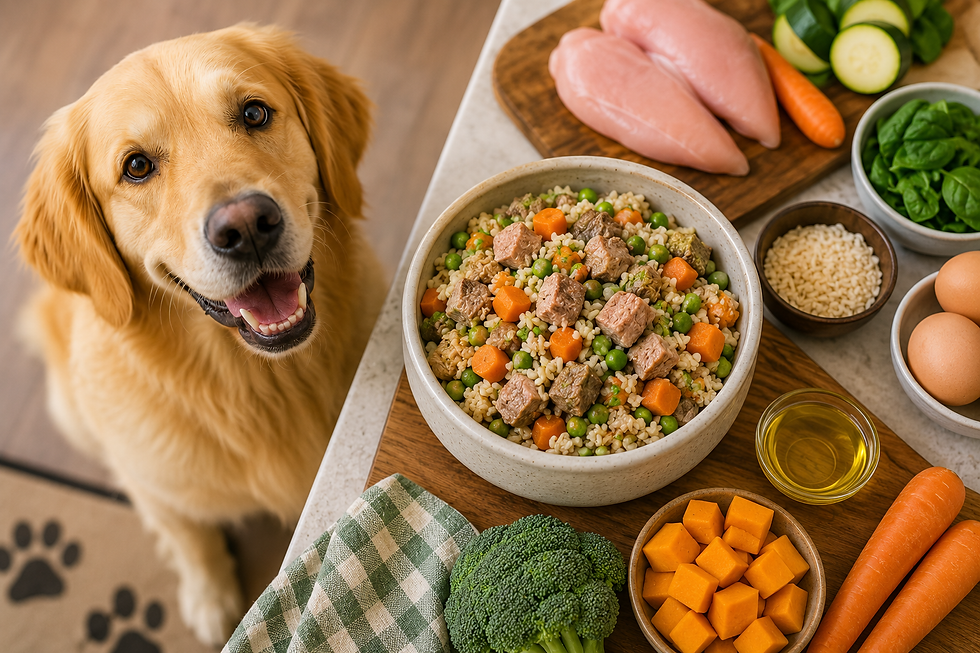
If you've ever looked at your dog's food bowl and wondered whether there might be a healthier alternative, you're certainly not alone.
Across the UK, Europe and North America, more pet owners are choosing to prepare homemade dog food using fresh, wholesome ingredients. Some are concerned about ingredient quality in commercial products, whilst others are searching for solutions to allergies, digestive sensitivities or specific health conditions.
Preparing meals at home offers something many owners value: complete control over what goes into their dog's diet.
However, creating a nutritionally balanced homemade diet involves far more than simply mixing chicken and vegetables together.
Veterinary nutrition experts consistently emphasise that dogs require a carefully balanced combination of protein, fats, carbohydrates, vitamins and minerals to thrive. Whilst homemade dog food can provide excellent health benefits, poorly formulated recipes may lead to nutritional deficiencies over time.
According to guidance from the World Small Animal Veterinary Association (WSAVA), any homemade diet should be nutritionally complete and tailored to the individual dog's requirements.
In this guide, you'll learn how to make homemade dog food safely, which ingredients to include, which foods to avoid and how to create balanced meals that support your dog's long-term wellbeing.
What Are the Benefits of Homemade Dog Food?
Better Ingredient Quality
One of the primary reasons dog owners switch to homemade food is ingredient transparency.
When you prepare meals yourself, you know exactly what your dog is eating. You can select fresh meat, quality vegetables and healthy carbohydrates whilst avoiding unnecessary fillers, artificial flavourings and preservatives.
Many veterinary professionals acknowledge that fresh food diets can improve palatability, meaning dogs often find them more enjoyable and appetising than heavily processed alternatives.
Greater Control Over Allergies and Sensitivities
Food sensitivities are becoming increasingly common amongst dogs.
Symptoms such as itchy skin, recurring ear infections, excessive paw licking and digestive discomfort may sometimes be linked to particular ingredients.
By preparing food at home, owners can remove potential triggers and build a diet tailored to their dog's individual needs.
Veterinary nutritionists frequently use customised homemade diets as part of elimination trials to identify food intolerances.
Fewer Artificial Additives
Whilst approved preservatives used in commercial foods are generally considered safe, many owners prefer feeding diets based on whole-food ingredients.
Homemade meals allow you to focus on natural sources of nutrition such as lean meats, vegetables, healthy oils and nutrient-rich carbohydrates.
Personalised Nutrition
No two dogs are exactly alike.
A working Border Collie has very different nutritional requirements compared with a senior Cavalier King Charles Spaniel.
Homemade diets can be adjusted according to:
Age
Activity level
Weight management goals
Medical conditions
Breed-specific requirements
This flexibility makes homemade feeding particularly appealing to owners seeking a more personalised approach to canine nutrition.
Is Homemade Dog Food Safe?
The simple answer is yes — provided it is properly balanced.
One of the biggest misconceptions amongst pet owners is that fresh ingredients automatically create a healthy diet. In reality, veterinary research has repeatedly shown that many homemade dog food recipes found online fail to meet basic nutritional standards.
Several studies reviewed by veterinary nutrition experts have found deficiencies in essential nutrients such as calcium, zinc, vitamin D and phosphorus.
Speak to Your Vet First
Before making significant dietary changes, it is always advisable to consult your veterinary surgeon.
For optimal results, many organisations recommend working alongside a veterinary nutritionist who can formulate recipes that meet your dog's specific requirements.
Understanding Canine Nutritional Requirements
Dogs require a balanced intake of:
High-quality protein
Healthy fats
Carbohydrates
Vitamins
Minerals
Fibre
Essential fatty acids
Maintaining the correct calcium-to-phosphorus ratio is particularly important for bone health, especially in growing puppies.
Common Mistakes Owners Make
Many homemade diets become nutritionally incomplete because owners:
Feed too much meat
Forget calcium supplementation
Remove ingredients from balanced recipes
Ignore vitamin requirements
Follow recipes designed for humans
Even seemingly minor alterations can significantly affect the nutritional value of a meal.
Essential Nutrients Every Homemade Dog Food Recipe Needs
A healthy homemade diet begins with understanding the building blocks of canine nutrition.
Protein Sources
Protein plays a crucial role in:
Muscle maintenance
Tissue repair
Immune function
Hormone production
Excellent sources include:
Chicken
Turkey
Lean beef
Lamb
Fish
Eggs
Where possible, choose lean cuts and cook them thoroughly.
Healthy Carbohydrates
Despite common myths, dogs can digest carbohydrates effectively when included in appropriate amounts.
Nutritious options include:
Brown rice
Oats
Sweet potatoes
Quinoa
Pumpkin
These foods provide sustainable energy and dietary fibre.
Vegetables for Dogs
Vegetables contribute valuable vitamins, minerals and antioxidants.
Safe choices include:
Carrots
Green beans
Courgettes
Peas
Spinach
Pumpkin
Lightly cooking vegetables can improve digestibility and nutrient absorption.
Healthy Fats
Healthy fats support:
Brain function
Skin health
Coat condition
Joint mobility
Good sources include:
Salmon oil
Fish oil
Flaxseed oil
Sardines
Omega-3 fatty acids are particularly beneficial for reducing inflammation and supporting cognitive health.
Vitamins and Minerals
This is where many homemade diets fall short.
Dogs require precise levels of:
Calcium
Phosphorus
Zinc
Copper
Selenium
Vitamin D
Vitamin E
B vitamins
For this reason, many veterinary nutritionists recommend using a professionally formulated canine supplement alongside homemade meals.
Expert Advice from Veterinary Organisations
Leading veterinary organisations across Europe and North America share a common position: homemade dog food can be an excellent option when formulated correctly.
The UK's PDSA advises owners to ensure homemade diets contain all essential nutrients and recommends veterinary supervision when making long-term dietary changes.
Similarly, the American Kennel Club (AKC) highlights the importance of balanced recipes and warns against relying solely on internet recipes without professional guidance.
The European Pet Food Industry Federation (FEDIAF) also publishes nutritional recommendations that are widely used by veterinary nutritionists when designing complete canine diets.
Conclusion
Homemade dog food offers an excellent opportunity to provide your dog with fresh, high-quality nutrition tailored to their individual needs.
When prepared correctly, homemade meals can support digestive health, improve ingredient transparency and help manage certain dietary sensitivities.
However, balance remains the key to success.
Before making any long-term dietary changes, consult your veterinarian or a qualified veterinary nutritionist to ensure your dog receives every nutrient required for a healthy and active life.
With careful planning, quality ingredients and professional guidance, homemade dog food can become a rewarding part of your dog's wellbeing journey.



Comments